

 Return to
The function of the Fisheries Development Oversight Committee (FDOC) is to develop the Fishery Peer Review process and fishery approval mechanism for certification, manage technical matters relating to the development, revision and implementation of the fisheries assessment criteria of the MarinTrust Standard, including the technical relevance and appropriateness of the programme for use as a Third Party, Accredited Certification Programme. To support the development and implementation of credible and robust certification standards for the marine ingredients industry that will provide assurance to the global supply chain that all Certified Sites to this programme act in a responsible and ethical manner.
Contents
- MarinTrust Fisheries Development Oversight Committee Members
- Fisheries Assessment Peer Review Group
MarinTrust Fisheries Development Oversight Committee Members
Chair:
Pedro Veiga (Sustainable Fisheries Partnership)
Members:
- Jose Peiro Crespo (Naunet, fisheries consultant)
- Laura Weston (Marine Stewardship Council)
- James Hinchcliffe (European Fishmeal and Fish Oil Producers)
- Caitlin Gilmour (Global Fishing Watch) (maternity leave)
- Leah Buckley (Global Fishing Watch)
- Rohan Smith (Fisheries consultant)
- Nicolas Rovegno (Fisheries Transparency Initiative)
- Mercedes Groba (Independent consultant)
- James Lamb (SeaFarms)
- MarinTrust secretariat: Emily McGregor (Fisheries Manager, MarinTrust)
Biographies can be found below.
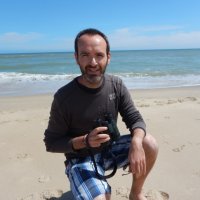
Jose Peiro Crespo is a marine biologist with more than 15 years of experience working in fisheries. During his career, he has worked as a fisheries observer, marine researcher, quality control auditor for aquaculture farms, EIA consultant for offshore windfarms, and fisheries and aquaculture consultant. He currently runs his own marine consultancy, Naunet Fisheries Consultants, where he has overall responsibility for the planning, execution, monitoring and evaluation of all the projects. Jose works for the fishing industry, NGOs, government bodies and other marine stakeholders conducting fisheries assessments, providing advice on the sustainable use of marine resources and developing initiatives to improve living conditions in coastal communities in Europe, Africa, Asia and South America.
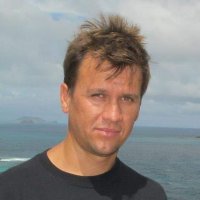
Pedro is a fisheries scientist with over twenty years of experience working on fish population dynamics, recreational and commercial fisheries governance, and seafood sustainability standards. He currently heads the science, data and analysis programme of Sustainable Fisheries Partnership’s (SFP) Monitoring and Evaluation Unit. SFP is a non for profit focused on engaging and catalyzing global seafood supply chains in rebuilding depleted fish stocks globally and reducing the environmental impacts of fishing and fish farming. In recent years, part of Pedro’s work has been focused on research and data analysis related to SFP’s Target 75 initiative, which aims at ensuring 75% of world production in key sectors is – at a minimum – either sustainable (i.e., certified by the MSC program, or green-listed in SFP’s Metrics tool) or making regular, verifiable improvements. Pedro is the project leader of the Fishery Improvement Projects Database (FIP-DB), which is maintained by the Hilborn lab at the University of Washington (UW) and Sustainable Fisheries Partnership (SFP). Pedro is also a permanent member of the ICES Working Group on Recreational Fisheries Surveys (WGRFS) and in the data committee of the Certifications and Ratings collaboration.
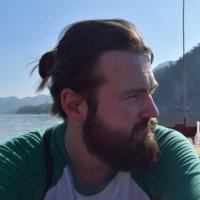
James Hinchcliffe is a dedicated marine scientist with a strong background in sustainable aquaculture. James holds a PhD in biology from University of Gothenburg and an MSc in Sustainable Aquaculture Systems from the University of Plymouth, UK. James’ work has spanned both the academic and industrial sectors, culminating in his current role with Marine Ingredients Denmark and the European Fishmeal and Fish oil producers, where he contributes to the responsible sourcing of fishmeal and fish oil. James is actively involved in fisheries science and certification schemes, working to promote sustainability and support the industry’s growth.
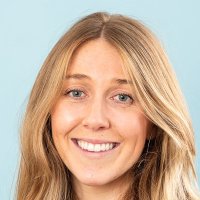
Caitlin is a professional in the fisheries and seafood industry sector, with over six years of experience working across the UK, Africa, Asia, and South Pacific Island States. Her experience spans sustainable fisheries management, supply chain due diligence, monitoring, control and surveillance, as well as stakeholder engagement and collaboration. Caitlin has led multiple complex international fisheries projects, and delivered impactful results for organizations like the World Bank, WWF, and Oceana.
Currently, as the Seafood Industry Manager at Global Fishing Watch, Caitlin oversees the seafood industry body of work, including the management of key external partnerships. She co-developed the Global Fishing Watch seafood industry strategy and provides guidance to regional teams on country specific industry strategies. She works closely with seafood industry stakeholders to enhance due diligence and risk assessment processes, focusing on illegal, unreported and unregulated fishing and labour concerns in the seafood supply chain. She also plays an integral role in Global Fishing Watch’s Data Ethics and Data Licensing Committees, ensuring responsible use and sharing of data.
Caitlin holds a Distinction in MRes Ocean Science from the University of Southampton, where her thesis focused on using stable isotope analysis to better understand environmental conditions that drive coral health and a B.Sc. in Marine Geography from Cardiff University.
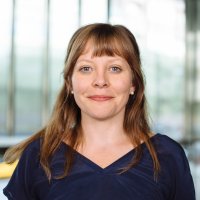
Leah is a senior product manager at Global Fishing Watch with over a decade of experience in the fisheries and seafood sectors. She specializes in product and policy development, user research, and stakeholder engagement on IUU fishing, forced labour, and biodiversity ambitions. She has led cross-sector projects with governments, NGOs, and the private sector across Asia-Pacific, Africa, the Americas, and Europe, focusing on risk-based approaches to strengthen port state controls, fisheries management and enforcement, MPA management, and supply chain due diligence, Prior to Global Fishing Watch, Leah led policy development and program oversight on forced labor risks, seafood traceability, and supply chain assurance at the Marine Stewardship Council.
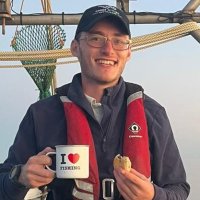
James started on his fisheries journey 10 years ago as a research assistant working on interactions between pot fisheries and offshore wind. He then worked as a scientific fisheries observer on a diverse range of fisheries around England. Following on from his time at sea, James transitioned to developing fisheries management policy and implementation, applying what he had learned working with fishers to advancing sustainable management of fisheries. Throughout his career, data has been a constant theme, and James has worked with ICES and FIPs in data analysis capacities.
Most recently, his career has completed the sea to plate journey, joining Sea Farms as a Fisheries Biologist. Responsible for wild capture supply chains, his work now covers human rights aspects as well as environmental considerations for fisheries around the world.
James believes in a holistic approach to fisheries and tries to bring his broad experience to bear against challenges facing the seafood sector.
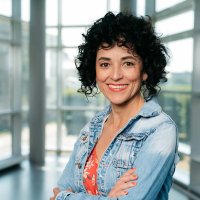
Mercedes Groba is a sustainability and innovation professional with more than 20 years of experience and a strong professional and personal commitment to the primary sector, particularly fisheries, aquaculture and agriculture. Her career combines sector knowledge with expertise in seafood sustainability, traceability, supply-chain transparency, quality assurance, responsible sourcing, innovation and multi-stakeholder collaboration.
She has extensive experience developing and leading international programmes that bring together industry, research, policy and other stakeholders, as well as independently assessing complex sustainability and innovation initiatives. Her work is grounded in evidence-based decision-making, practical implementation and the development of resilient and responsible value chains.
Originally from Galicia in north-west Spain and raised in a farming family, Mercedes developed an early appreciation for responsible production, the stewardship of natural resources and the importance of resilient primary-sector communities. This background, together with her close connection to Galicia’s coastal communities and seafood economy, has shaped her longstanding commitment to the sustainable future of fisheries, aquaculture and agriculture.
She holds an MSc in Sustainable Aquaculture, including fisheries, and a degree in Agricultural Engineering.
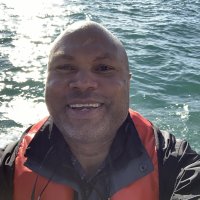
Rohan Smith is a fisheries industry technical and management analyst with specialist expertise in sustainable fisheries, aquaculture, marine ecosystems, and seafood certification. He holds a Bachelor of Science (BSc) in Aquaculture and Fisheries Management from the University of Portsmouth and Sparsholt College, and a Master of Science (MSc) in Marine Science, Fisheries and Technology from the North Atlantic Fisheries College.
Rohan's work focuses on developing practical, science-based solutions to support sustainable use of marine resources. He has extensive experience supporting sustainable fisheries management through scientific research, certification assessments, and policy development. His expertise includes evaluating fishing impacts on marine ecosystems, developing fisheries management plans,, assessing fisheries against internationally recognised sustainability standards and the commercial development of seaweed and microalgae industries.
He has worked with Small Island Developing States, including Montserrat in the Caribbean, contributing to integrated fisheries management planning through fisheries mapping, catch analysis, habitat characterisation, governance reviews, and sustainability assessments.
Rohan has participated in numerous Marine Stewardship Council (MSC) certification assessments, surveillance audits, and peer reviews, serving as both a Lead Assessor, Principle 2 Expert and peer reviewer. His experience spans major global fisheries including Atlantic cod, herring, mackerel, scallop, and halibut fisheries.
Beyond fisheries certification, Rohan has worked on projects covering seaweed production, fisheries innovation, social accountability, fisheries science partnerships, and international fisheries management programmes. He works with governments, industry, certification bodies, and research organisations to advance responsible seafood production, sustainable fisheries, and marine ecosystem protection.
Fisheries Assessment Peer Review Group
Fisheries Assessment Peer Review Group Fisheries Assessment Peer Review Group (FAPRG) members review the fisheries assessment decisions taken by certification bodies (CB), to ensure that the interpretations are in line with the objectives of the MarinTrust standard.
FAPRG members have a sound understanding of the MarinTrust Standard, fisheries science, fishmeal manufacturing, the food supply chain and environmental conservation. Advice on specific matters is also sought from fisheries scientists, when needed.
The FAPRG provides reassurance that the MarinTrust programme for assessment and approval of raw material used by the global marine ingredient manufacturing industry is credible and robust.
The outcome is assurance for the supply chain that raw materials from MarinTrust certified factories come from a responsibly managed fishery that has no risk of IUU activity within it.
Key Activities:
- Determine if a fishery meets the MarinTrust Standard
- Provide opinions on the conclusions reached by the CB in the fisheries assessment
- Comment on each clause’s score and rationale
- Provide input to the procedures and guidelines
Members of the Fisheries Peer Review:
- José Peiró Crespo - Naunet Fisheries Consultants - Spain
- RS Standards - Independent fisheries consultants - United Kingdom
- Kate Morris -Independent fisheries consultant - United Kingdom
- Mariano Gutiérrez Torero - Profesor de Acústica Submarina en Universidad Nacional Federico Villarreal - Peru